[email protected]

Auckland. New Zealand, str. Rugby Way, house. 123

+64 9 183 2967

MENU

[email protected]

Auckland. New Zealand, str. Rugby Way, house. 123

+64 9 183 2967

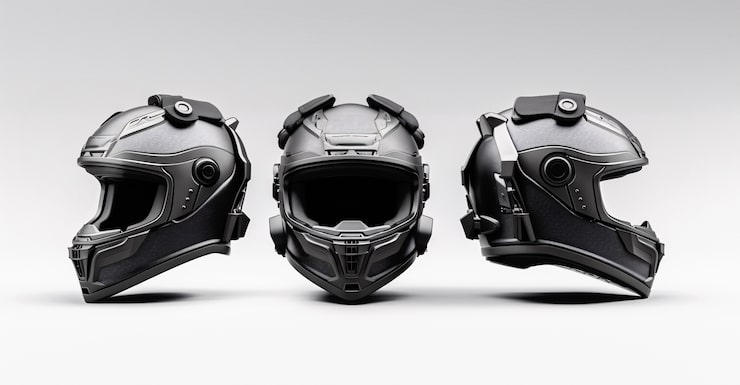
Black titanium cricket helmet
Professional Protective Gear

Titanium
Deflect.

The Titanium Deflect Cricket Helmet represents the absolute pinnacle of protective sports engineering, meticulously designed to meet and exceed the terrifying realities of modern international and domestic cricket. In New Zealand, facing a fast bowler charging in on the notoriously fast and bouncy pitches of Hagley Oval or the Basin Reserve is an entirely unique psychological and physical challenge. When a solid leather, cork-cored cricket ball is propelled towards a batsman's head at velocities frequently exceeding one hundred and fifty kilometers per hour, the margin for mechanical error in protective equipment is absolutely zero. A fraction of a second is all that separates a brilliant, perfectly executed hook shot from a catastrophic, potentially life-altering cranial injury.

For generations, the fundamental design of the cricket helmet remained stagnant and dangerously complacent. Traditional helmets utilized heavy, brittle plastic shells that were prone to shattering upon significant impact, coupled with rudimentary foam linings that offered deeply insufficient concussive force dissipation. The Titanium Deflect project was initiated as a direct, aggressive response to these systemic industry failures. We partnered with elite aerospace engineers and leading neurologists to completely deconstruct the physics of a high-speed projectile impact. The resulting product is not merely an updated piece of sporting apparel; it is a highly sophisticated, multi-layered physiological fortress.

Every single structural element of this helmet has been engineered with pathological attention to detail. From the aggressive, aerodynamic curvature of the outer shell—designed specifically to glance and deflect kinetic energy rather than absorb it squarely—to the unyielding strength of the face grille, no compromise was deemed acceptable. When a batsman walks out to the crease wearing the Titanium Deflect, they are armed with an profound psychological advantage. The absolute certainty that their central nervous system is shielded by the most advanced materials known to modern science completely eradicates subconscious hesitation. This allows the athlete to focus entirely on the trajectory of the ball, maintaining the predatory stillness and explosive reaction time required to dominate the fastest bowlers in the world.

Cricket helmet side profile
Aerodynamic Deflection Profile
Carbon fiber helmet shell detail
Carbon composite material texture

Impenetrable
Composite Shell.

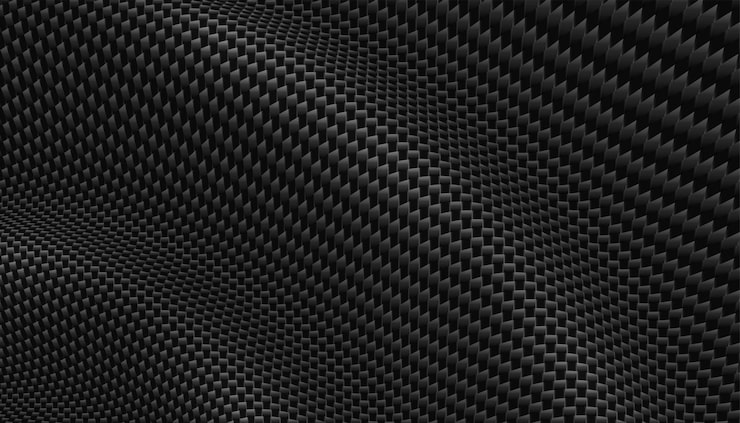
The structural foundation and primary defensive perimeter of the Titanium Deflect Helmet begins with its revolutionary outer shell architecture. In standard consumer-grade helmets, injection-molded ABS plastic is the universally accepted standard due to its cheap manufacturing costs. However, under the extreme duress of a direct, perpendicular strike from a 156-gram cricket ball traveling at immense velocity, standard plastic behaves unpredictably—it can deform severely, transferring the blunt force directly to the skull, or worse, shatter into dangerous shrapnel. We completely abandoned this outdated methodology. The shell of our helmet is meticulously forged from a deeply complex, proprietary interwoven matrix of aerospace-grade Carbon Fiber and ballistic Kevlar.

This specific composite blend was chosen for its unparalleled strength-to-weight ratio. The carbon fiber provides an incredibly rigid, unyielding exoskeleton that stubbornly refuses to buckle or deform under catastrophic kinetic pressure. Simultaneously, the integration of Kevlar—the very same synthetic polymer utilized in military-grade body armor—provides immense tensile elasticity. This means that instead of cracking under extreme localized stress, the composite shell actually disperses the impact energy radially across the entire surface area of the helmet. The geometric curvature of the shell itself is also a critical defensive feature. We eliminated flat surfaces wherever possible, utilizing aggressive, sweeping angles designed to force the projectile to glance off the helmet, successfully deflecting a massive percentage of the kinetic energy rather than forcing the helmet to absorb it squarely.

Furthermore, the manufacturing process of this shell is painstakingly precise. Each individual helmet shell is hand-laid by specialized technicians before being cured under immense pressure in a high-temperature industrial autoclave. This rigorous process absolutely guarantees that there are zero microscopic air bubbles or structural weaknesses within the composite matrix. The resulting exterior is not only functionally impenetrable but also astonishingly lightweight. This critical weight reduction severely mitigates the muscular fatigue in the athlete's neck and shoulders, allowing for sustained, high-level concentration during a grueling, multi-hour test match innings under the fierce New Zealand sun.

Internal shock absorbing foam matrix

Concussive Nullification

While the Carbon-Kevlar outer shell is responsible for stopping the physical penetration of the cricket ball, the profoundly critical task of preventing traumatic brain injury and severe concussions falls entirely upon the internal shock absorption architecture. When a high-velocity impact occurs, the rapid, violent deceleration of the skull can cause the brain to impact the inner cranial wall, resulting in devastating neurological damage. To combat this, the Titanium Deflect Helmet features a highly advanced, multi-stage internal crumple zone, conceptually similar to the safety mechanisms engineered into modern Formula 1 racing chassis.

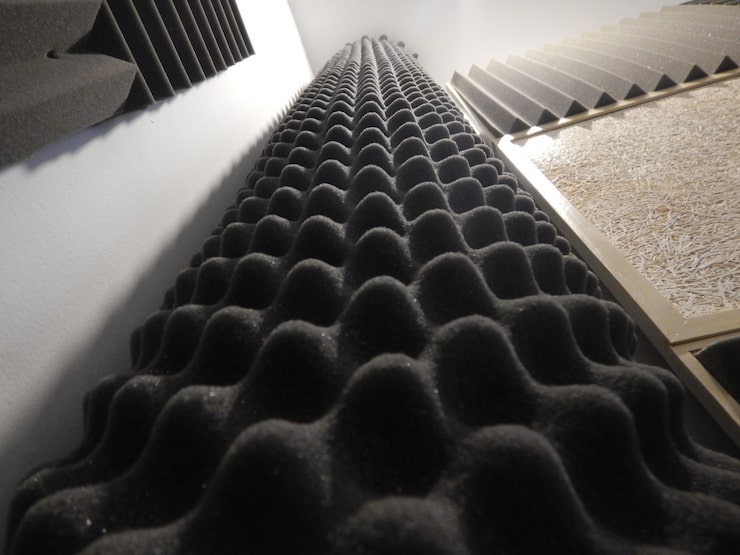
Immediately beneath the rigid outer shell lies a thick, meticulously calibrated layer of Expanded Polystyrene (EPS) foam. However, this is not standard, uniform foam. We utilize a highly specialized, dual-density honeycomb matrix. The outer layer of this matrix is relatively dense, designed to immediately arrest the initial spike of kinetic energy upon impact. The inner layer, positioned closer to the athlete's skull, is formulated to be significantly softer and more forgiving. Upon a catastrophic strike, this intricate honeycomb structure is engineered to systematically crush and collapse in a highly predictable manner. This controlled collapse artificially extends the duration of the impact by mere milliseconds, which is scientifically proven to drastically reduce the peak G-force deceleration transmitted to the fragile human brain.

Beyond pure shock absorption, the internal fitting system is designed to provide an absolute, immovable lock on the athlete's head. A helmet that rattles or slips during the explosive rotational movement of a pull shot is deeply unsafe. We implemented a sophisticated, micro-adjustable dial system located at the occipital base of the skull, which tightens a flexible, high-tensile harness that perfectly conforms to the unique cranial topography of the individual wearer. This ensures that the shock-absorbing foam remains in constant, flush contact with the head, maximizing its protective efficacy.

Finally, all interior contact points are lined with thickly padded, medical-grade memory foam encased in an advanced antimicrobial and highly hydrophilic textile. This ensures that the copious amounts of sweat generated during an intense New Zealand summer cricket match are aggressively wicked away from the skin, preventing bacterial buildup and ensuring total physiological comfort over an exhaustive day of high-pressure play.

Inside padding of cricket helmet
Titanium grille facing fast bowler

Zero Blind Spots

Absolute optical clarity combined with unyielding metallurgical strength. The grille is the defining feature of elite batsman protection.

Batsman looking through helmet grille

Unobstructed
Titanium Optics.

Uncompromised physical protection is entirely useless if it severely restricts the batsman's field of vision or hinders their ability to instantaneously track the trajectory of a fast-moving cricket ball out of the bowler's hand. The face grille of the helmet presents the most complex engineering paradox: it must be inherently strong enough to completely repel a direct, high-velocity facial impact, yet structurally minimal enough to remain visually imperceptible to the athlete. To solve this critical dilemma, we constructed the entire facial defense matrix exclusively from high-tensile, aerospace-grade Titanium.

Titanium was specifically selected over traditional mild steel due to its extraordinary metallurgical properties. It boasts a strength-to-weight ratio that is vastly superior to standard steel alloys. This allowed our engineers to dramatically reduce the physical diameter of the individual metal bars without sacrificing a single degree of structural integrity. By utilizing thinner, infinitely stronger titanium rods, we effectively widened the visual corridors between the bars, completely eradicating the hazardous optical blind spots that plague older helmet designs. A batsman wearing the Titanium Deflect can pick up the release point of the ball earlier and track it with total, unbroken visual clarity all the way onto the blade of the bat.

Furthermore, the construction methodology of the grille is of paramount importance to safety. The modern game of cricket has witnessed horrific injuries caused by the ball physically squeezing between the peak of the helmet and the top bar of the grille. To absolutely eliminate this possibility, the titanium grille on our helmet is not merely screwed into place; it is permanently factory-welded and structurally integrated directly into the carbon-kevlar shell during the manufacturing process. The precise geometric gap between the peak and the upper titanium bar is strictly regulated to be physically smaller than the diameter of a standard cricket ball.

We have guaranteed, through exhaustive robotic testing protocols, that facial penetration is a structural impossibility. Additionally, the titanium is treated with a specialized matte-black, non-reflective powder coating. This crucial detail entirely eliminates the blinding glare of the afternoon sun bouncing off the metal into the batsman's eyes, a vital feature for matches played during the intense, cloudless days of a New Zealand summer.

Helmet ventilation channels top view

Thermal Exhaust Architecture.

The final, highly critical element of the Titanium Deflect Helmet addresses the intense, unforgiving environmental demands placed upon the athlete. Playing competitive cricket during the peak of a scorching New Zealand summer, often batting for several hours under a relentless, unshaded sun, exposes the human body to extreme thermal stress. A poorly ventilated helmet rapidly acts as an incredibly efficient physiological oven, trapping massive amounts of metabolic heat radiating from the head. This rapid increase in core cranial temperature directly leads to severe dehydration, profound cognitive fatigue, severely delayed reaction times, and ultimately, dangerous heat exhaustion. We recognized that thermal regulation is not merely a matter of comfort; it is a fundamental pillar of sustained athletic performance and safety.

To combat this massive thermal challenge, the aerodynamic profile of the carbon-kevlar shell incorporates a highly advanced, active ventilation manifold. Inspired by the fluid dynamics of high-performance automotive cooling systems, deep, aggressively sculpted intake channels are positioned precisely at the front edge of the helmet, capturing high-pressure ambient air as the batsman runs between the wickets. This cool air is then forcibly channeled through the internal EPS matrix via a network of deep, unobstructed grooves, directly over the scalp, aggressively pulling trapped metabolic heat away from the skin. The superheated air is then expelled through massively oversized exhaust ports located at the low-pressure zone at the rear of the helmet. This continuous, high-volume atmospheric exchange ensures that the athlete's head remains astonishingly cool and dry, preserving vital cognitive function and ensuring complete tactical clarity during the most critical, high-pressure moments of the match.